
Mold & Mildew

The Music Studio was built by Albert Spaulding in the late 1920s as a personal rehearsal space and conservatory where he gave private music lessons. In the early 1990s, Lee Elman expanded the property, adding a kitchen, an indoor bathroom, and three bedrooms. He then rented out the cottage to provide an income stream that would help defray some of the estate’s running costs.
Since a tenant had lived in the house until we closed, we assumed it was in mostly working order, even if somewhat outdated. We had no idea how dilapidated it was.
Our original plan was to renovate the property while staying within the existing footprint. We intended to install a new kitchen and bathrooms, switch from oil to a clean energy source, and add central HVAC. This way, we could use it as a base while The Main House was under construction.
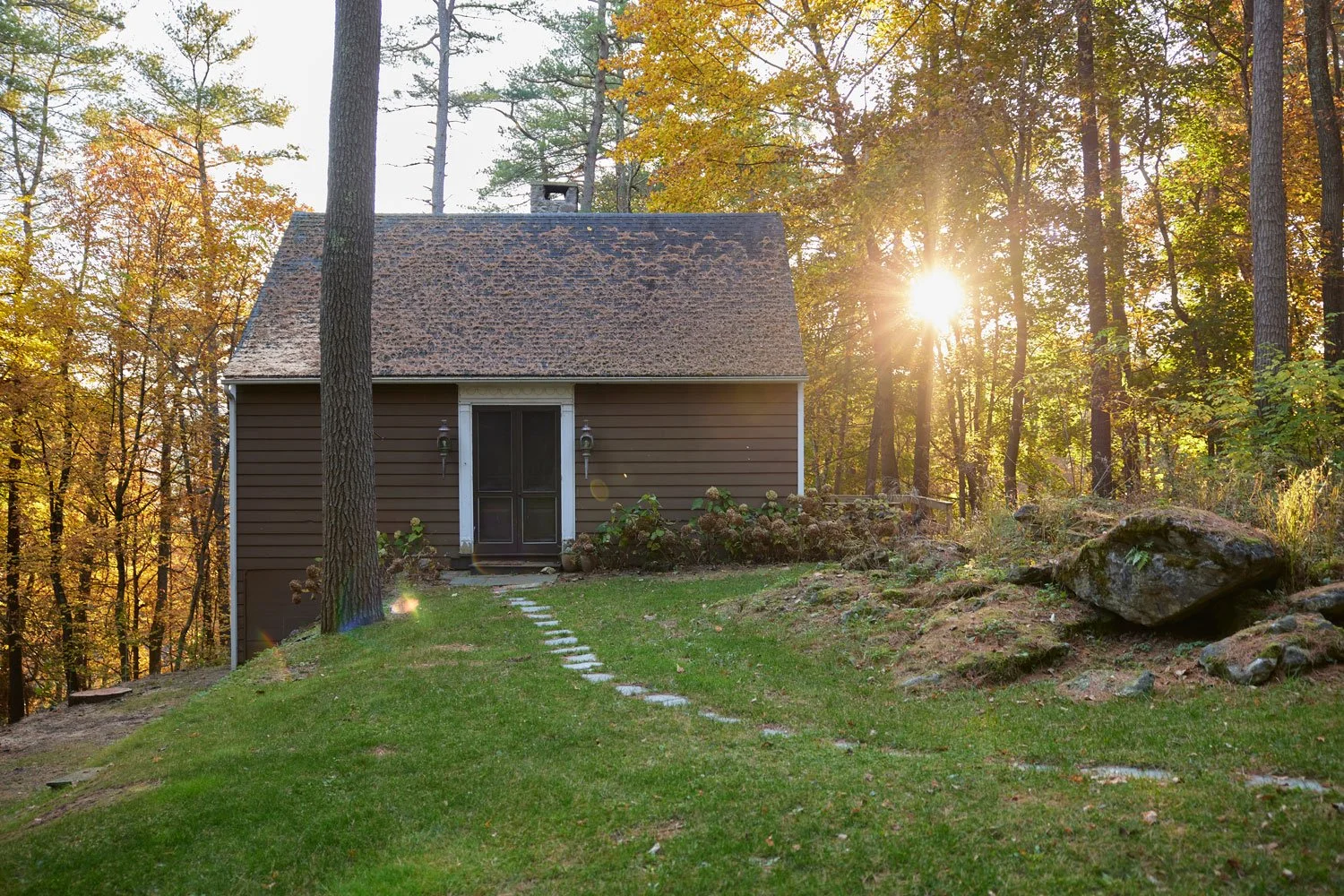
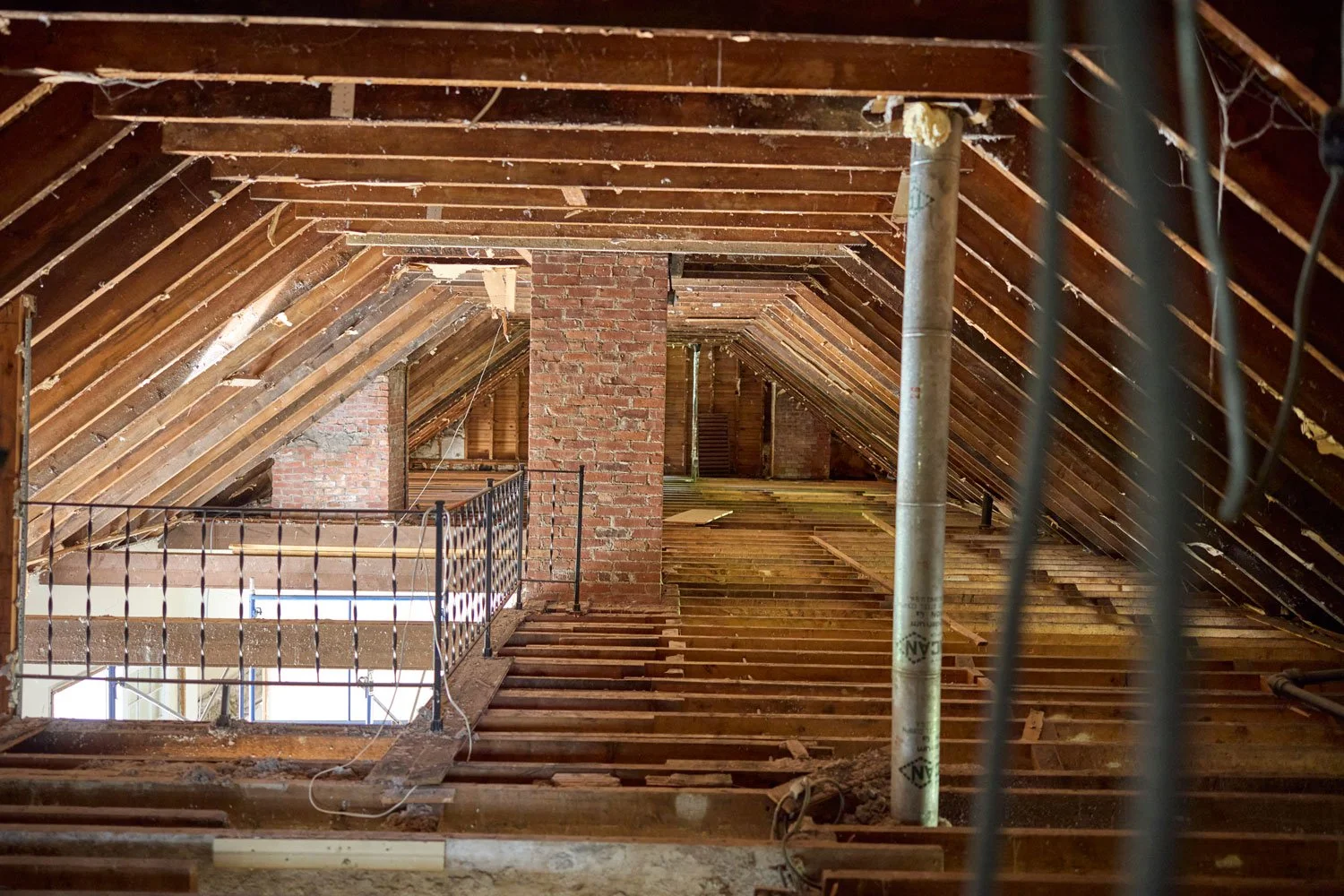
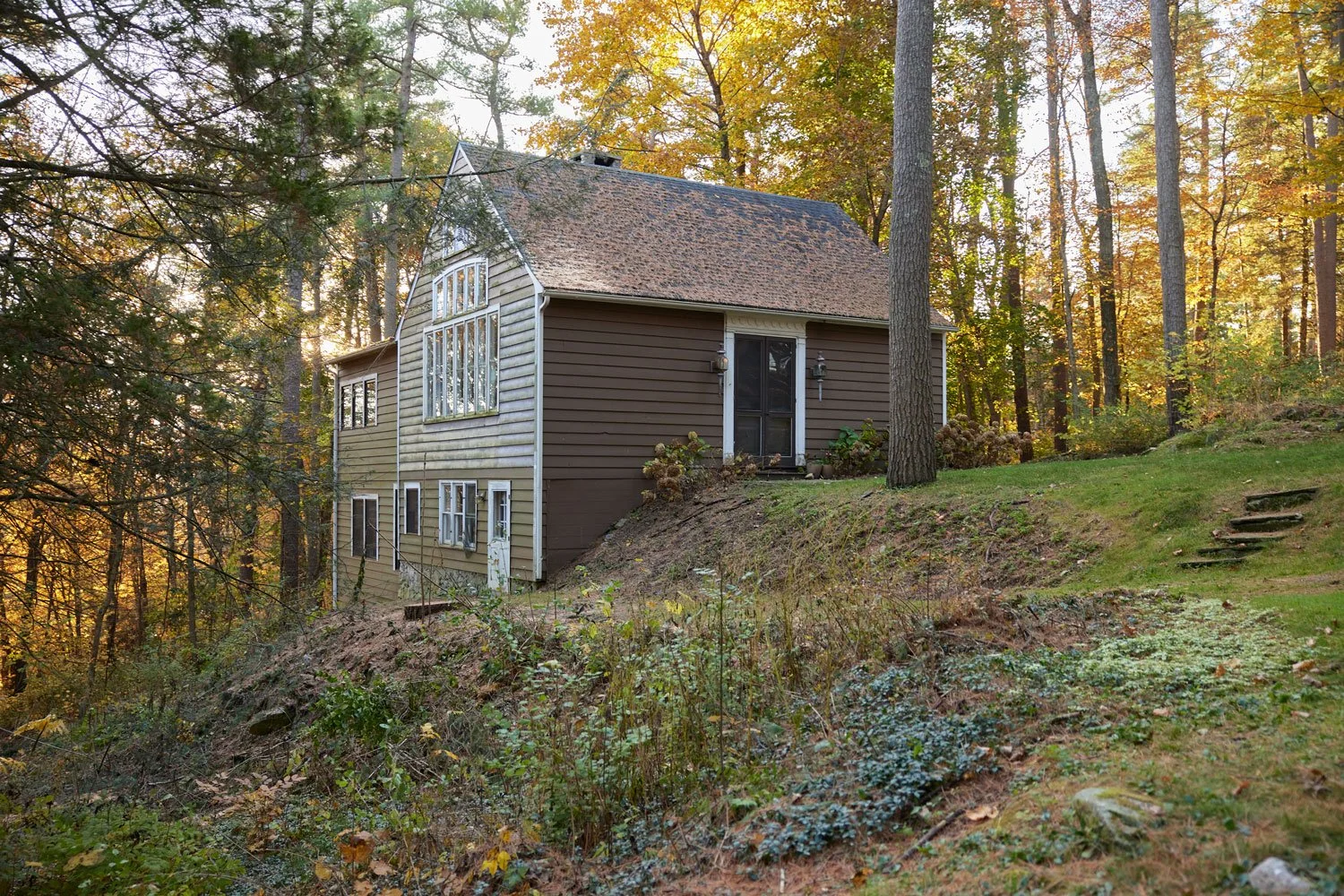
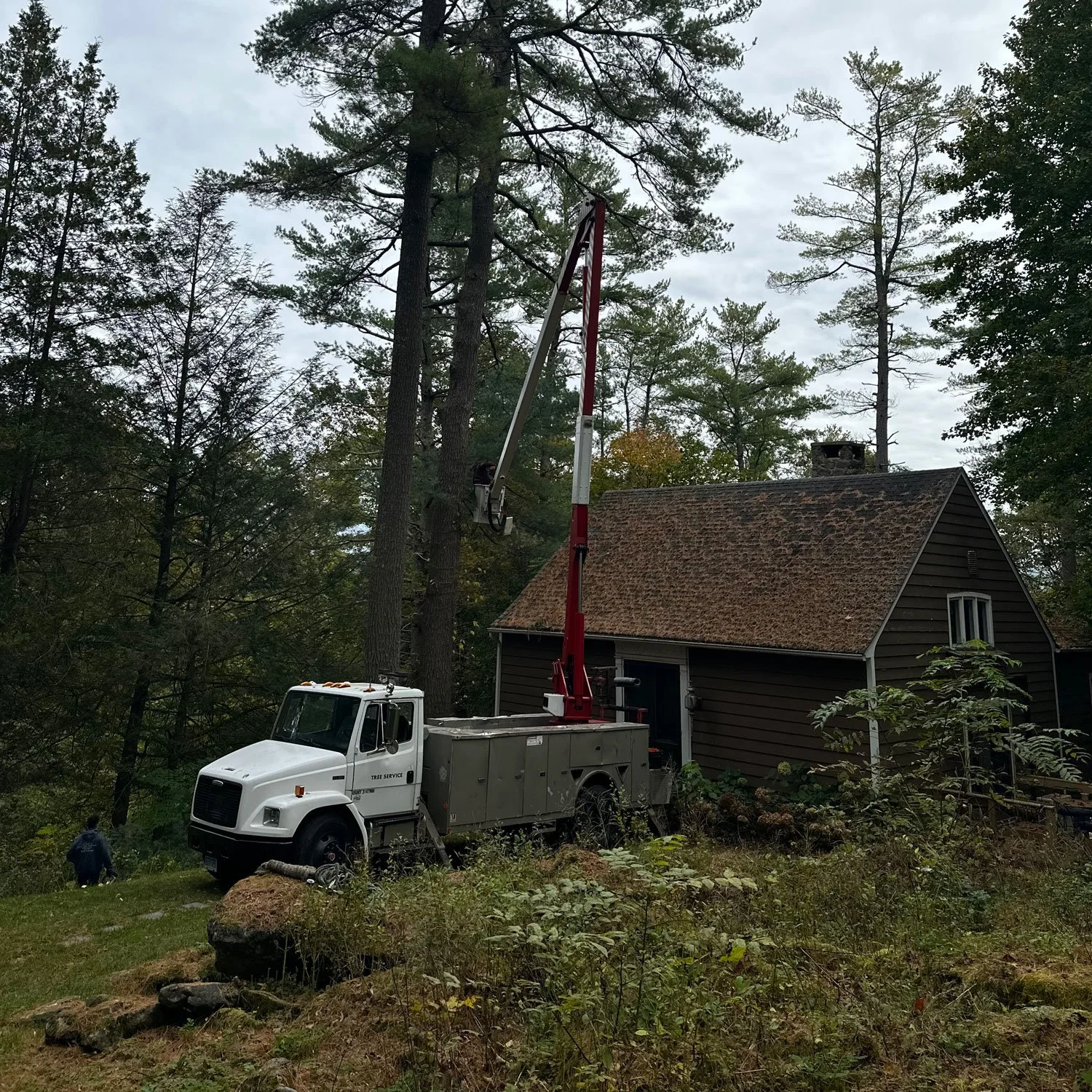
Things were progressing smoothly, with a new roof installed and kitchen cabinets ordered, among other things. Interior demolition began and was halted immediately after black mold was discovered on one of the interior walls.
Things were progressing smoothly, with a new roof installed and kitchen cabinets ordered, among other things. Interior demolition began and was halted immediately after black mold was discovered on one of the interior walls. Like an iceberg, what we saw on the sheetrock was just the tip of the problem. As the wall was taken down, it became clear that the mold was widespread and had infiltrated the entire basement floor, which includes a bathroom, two bedrooms, a laundry room, and a small home office.
Apparently, the former tenant, the one who yelled at us all those years ago when we did a drive-by, had complained endlessly about mold, but the previous owner ignored the issue and told him to buy a dehumidifier at his own expense.
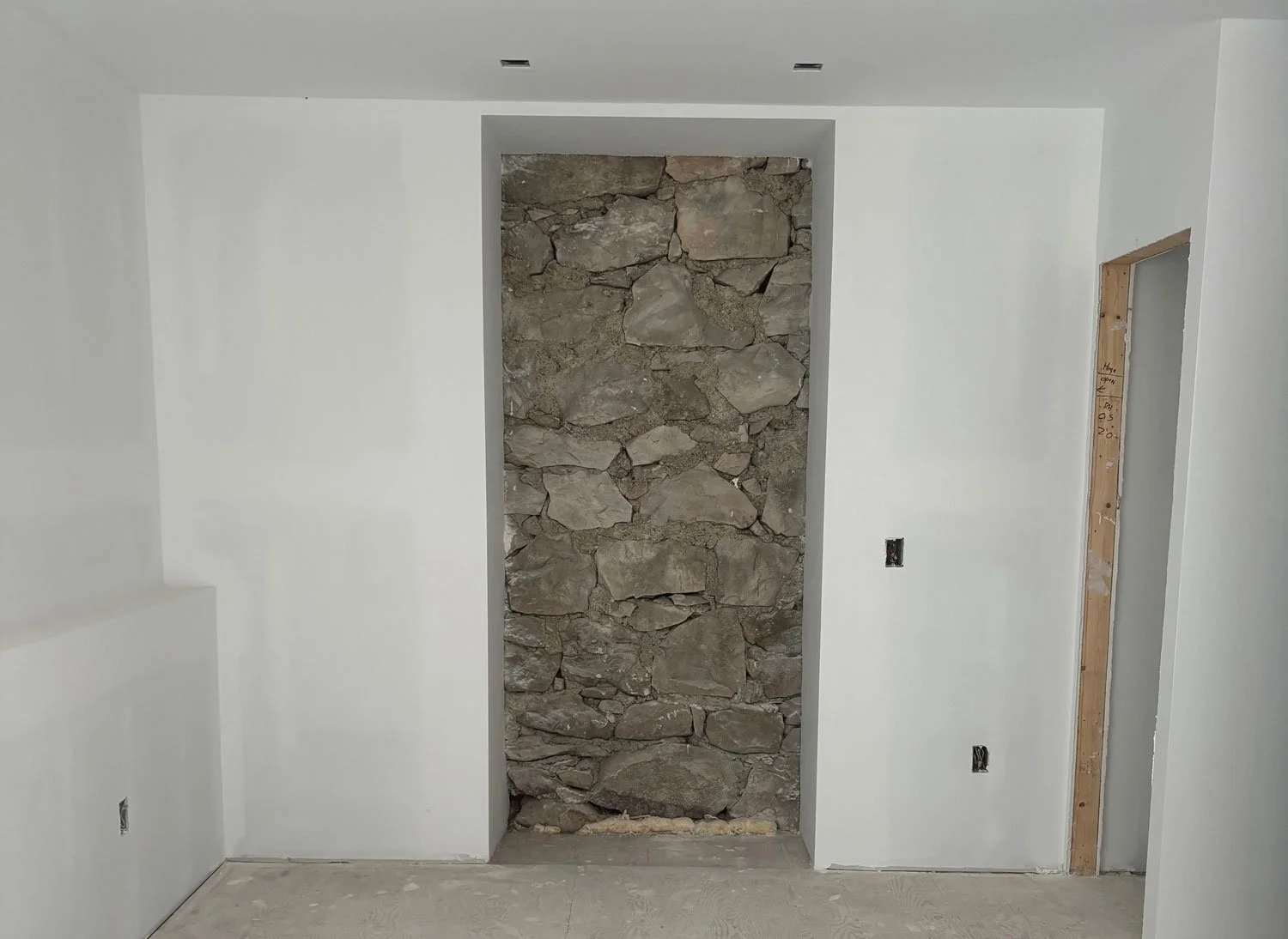
Opening the interior wall to assess the mould damage revealed some beautiful stonework and very wet boulders — the house addition had been built directly on the terrain without any liner sheet or protective barrier. Water was literally seeping inside the house with no way to escape. Combine poor ventilation, a 20-year-old boiler and a leaky roof, and you get the perfect conditions for mold. As a result, construction was paused while the mold remediation team worked their magic.
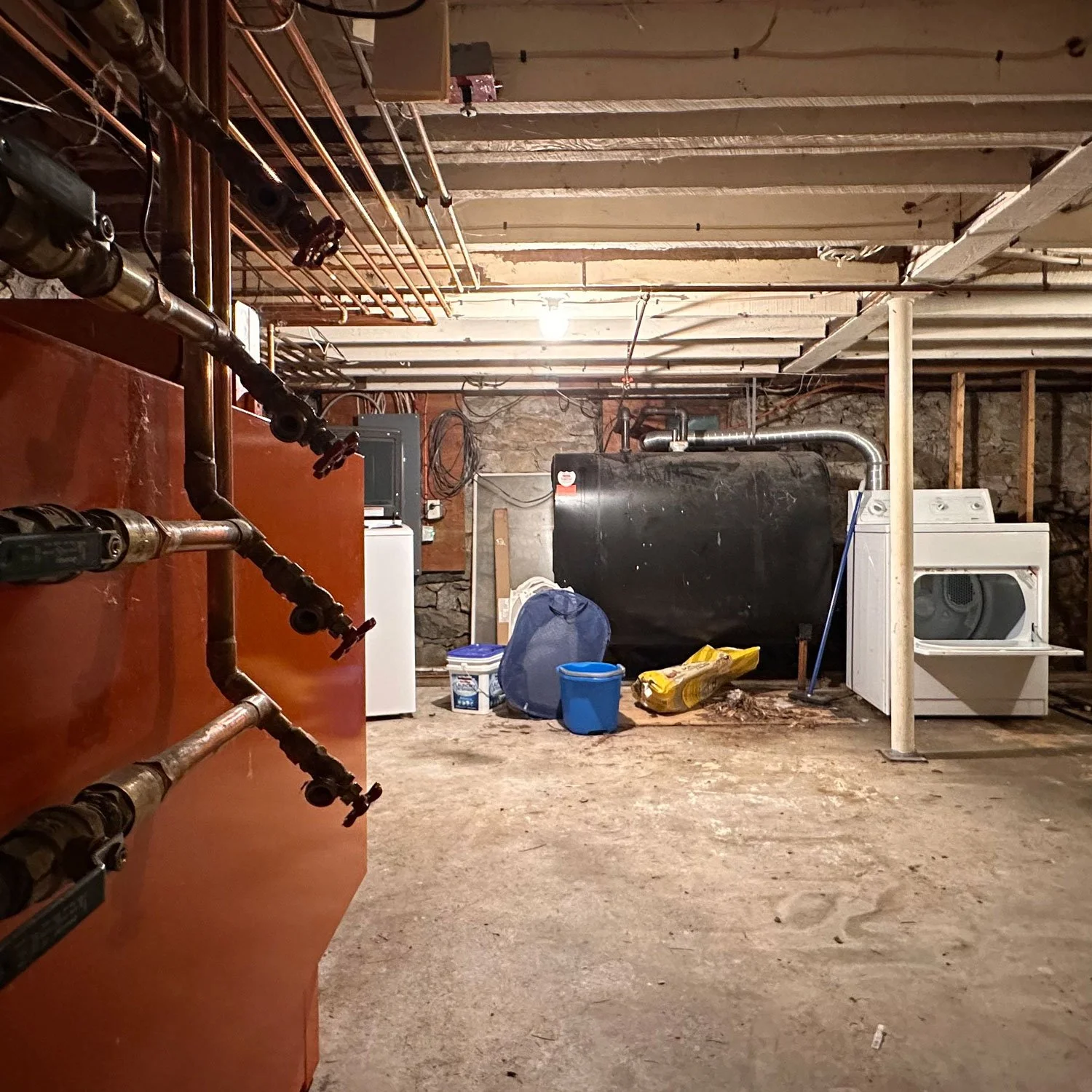
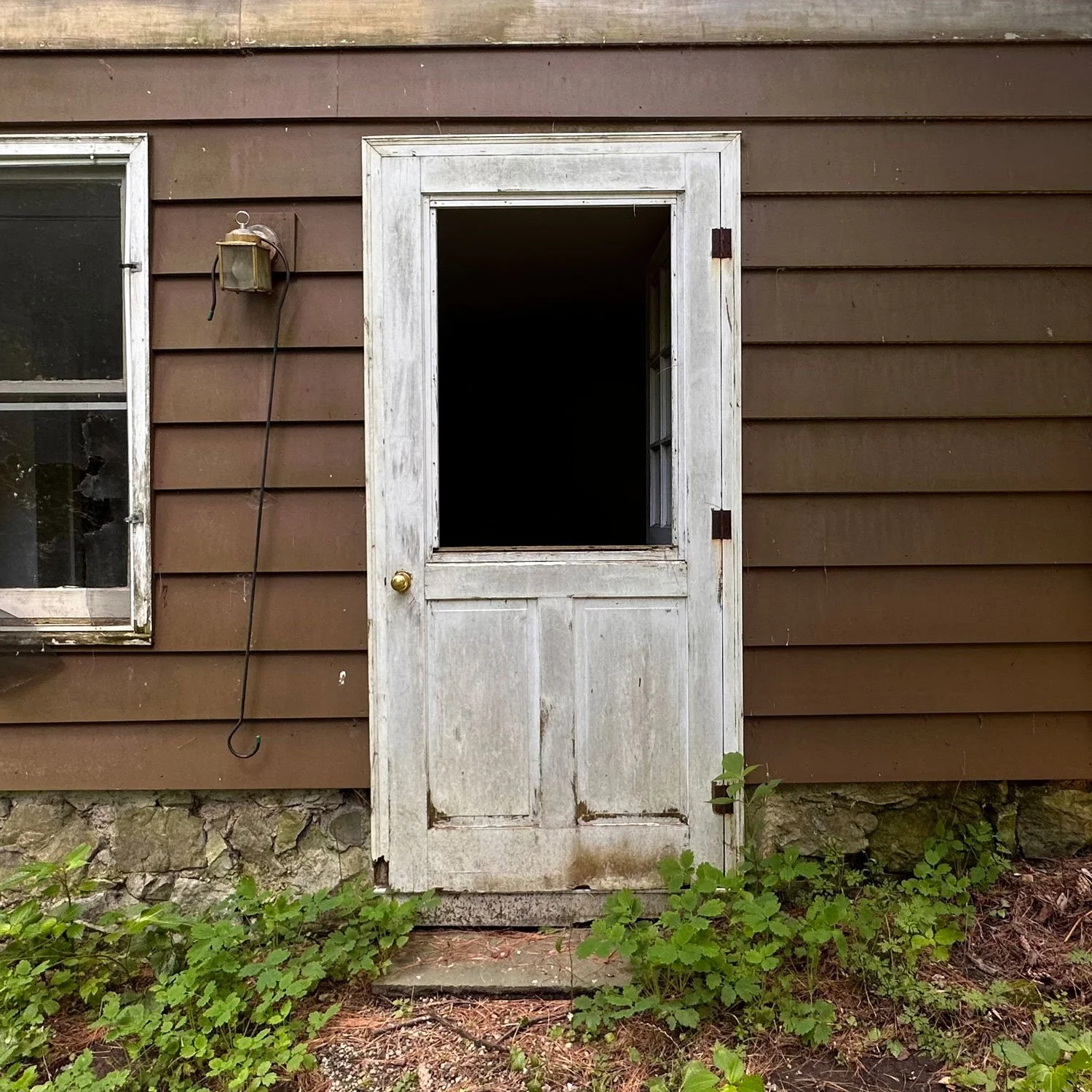
Combine poor ventilation, a 20-year-old boiler, and a leaky roof, and you get the perfect conditions for mold.
Since the mould remediation affected more than 30% of the property, the project no longer qualified as a repair, and we had to bring everything up to code. This meant a complete replacement of the electrical, plumbing, and mechanical systems, along with the addition of insulation and water-detection systems. Essentially a “down to the studs” gut renovation. So much for retiring at 60. Hello 65!
On the positive side, removing the moldy interior walls gave us extra space on the lower level and allowed us to turn the original (now dry) exposed stonework into a striking feature of the room. So, it wasn’t all bad news. We now have a cottage that is energy efficient, up to code, and beautiful both inside and out.
Over and out.